
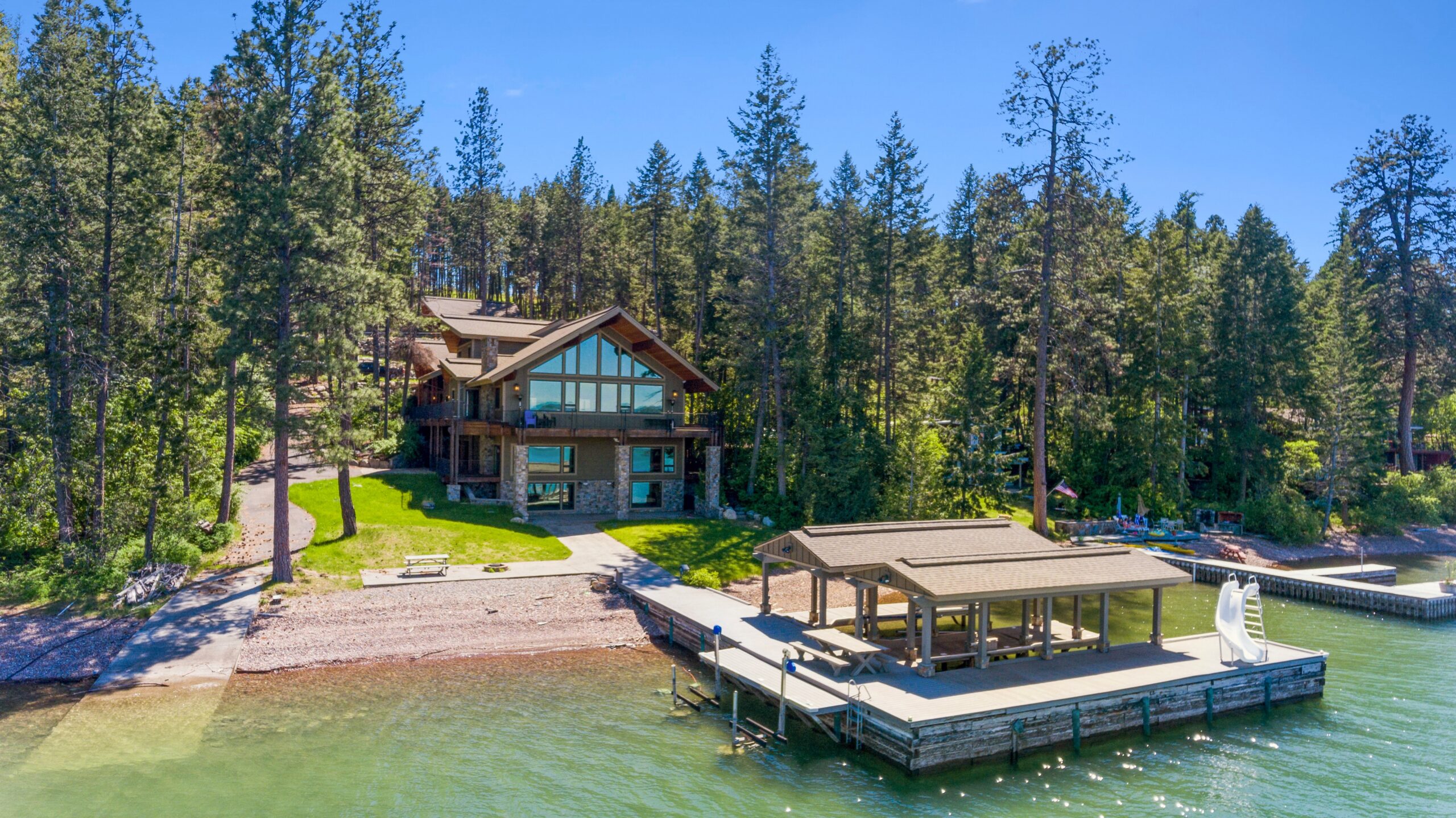
Imagine waking up to glassy Flathead Lake and walking straight to your boat. If you are eyeing Lakeside for a second home, you want smooth access to the water without surprises later. In this guide, you will learn how to confirm shoreline rights, evaluate docks and marina options, review utilities and winter readiness, and use a touring checklist that keeps you focused on what matters. Let’s dive in.
1. Start with Your Lifestyle Goals
Before you tour, get clear on your must-haves. Decide on boat size, how often you plan to use the home, and whether you want a private dock, a shared dock, or a marina slip. Think through year-round access, winter maintenance, and how much ongoing care you want to handle. Share these needs with your agent so your showings match your lifestyle.
2. Verify Shoreline Rights and Access
Ownership and the Lakebed
In Montana, state ownership of some lakebeds and riverbeds can apply. Title to the waterline is not guaranteed. You need to verify whether the parcel includes shoreline ownership or if your rights end at a high-water line or are subject to state trust land easements. Ask for the deed and a recent survey that shows the high-water line and any easements.
Easements and Shared Access
Look for recorded easements that grant private shared access, HOA lake access, or access at public road ends. Request copies of any access instruments and maintenance agreements. Confirm who pays for upkeep and how access is managed.
Setbacks and Shoreline Work
Flathead County and state agencies regulate docks, retaining walls, dredging, vegetation removal, and shoreline stabilization. Determine which permits are required and typical timelines. If past shoreline work occurred, ask for permits and as-built records.
Floodplain and Lake Levels
Check county floodplain maps and learn about seasonal lake level changes. Water level variability affects dock height, access paths, and sometimes insurance. Ask how the property performs at low water and during seasonal highs.
Documents to Request
- Recorded deed and recent survey that identify the high-water line
- Title report with exceptions
- Any shoreline or access easements, covenants, and HOA rules
- Permits and records for docks, dredging, or shoreline stabilization
- Any history of shoreline disputes or encroachments
3. Docks, Moorage, and Marinas
What to Ask on Tour
- Does the property include deeded dock rights or only land to the shore?
- Is the current dock permitted and in compliance, and is it transferable?
- What is the dock’s condition, anchoring method, and power availability at the dock?
- How deep is the water at the end of the dock at typical and low lake levels?
- What is the insurance history for dock damage and past winter removal practices?
Permits and Design Choices
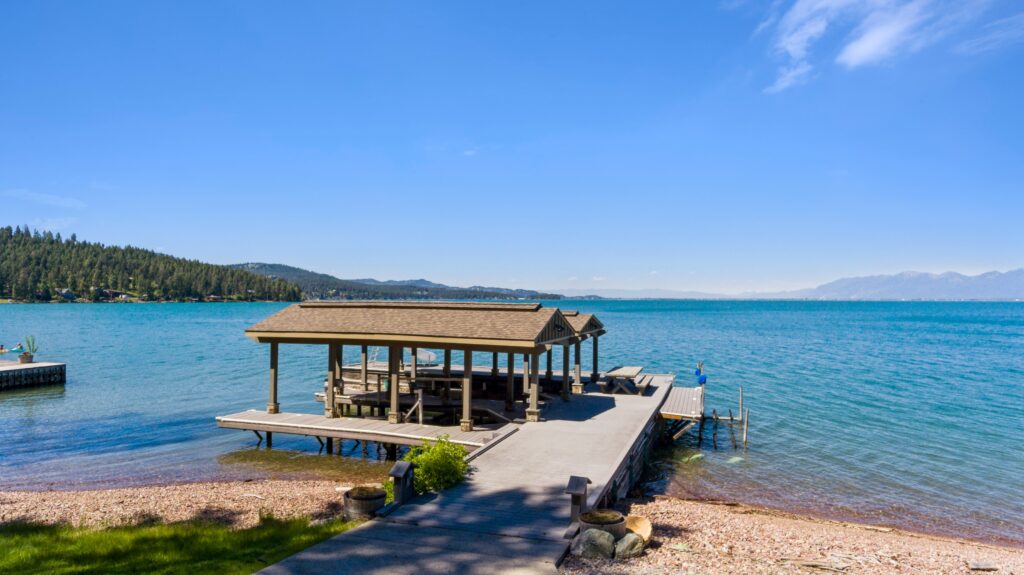
Private docks often need county permits, and some structures over state-owned bed may require state approvals. Choose designs that account for ice, water depth, and boat size. Floating and piling systems perform differently through winter conditions, so ask a local dock professional about the best fit for your location.
Marina and Mooring Options
If a marina slip suits your plan, check waiting lists, fees, and whether slips transfer with a sale. For mooring buoys, confirm local rules on anchoring and any permits. Marinas can also handle seasonal dock installation and removal, storage, and winterization.
4. Water, Septic, and Essential Services
Water Supply
Many Lakeside properties use private wells or hauled water. Obtain the well log that shows depth, yield, and pump details. Request recent tests for total coliform, E. coli, nitrates, and regionally relevant contaminants such as arsenic.
Septic Systems
Most homes outside sewered areas rely on on-site septic. Ask for the septic permit, installation date, system size, and maintenance records, including the last pump-out. Confirm setback compliance and replacement rules with county environmental health if upgrades are needed.
Electricity and Propane
Verify whether electric service is underground or overhead and whether there is safe, permitted power at the dock. Some homes use propane for heating or cooking. Confirm tank ownership, delivery access, and refill logistics.
Broadband and Cell Coverage
Cell and broadband can be variable around the lake. Test signal strength onsite, ask which providers serve the address, and confirm upload and download speeds if remote work is important. Consider backup options like fixed wireless or satellite if needed.
Roads, Waste, and Insurance
For private road access, clarify who maintains the road, how snow is plowed, and what costs you share. Ask about local waste collection or transfer stations if private haulers are required. Request preliminary quotes for homeowners insurance, including flood and sewer backup endorsements if recommended.
5. Winterization and Seasonal Plans
Dock Strategies
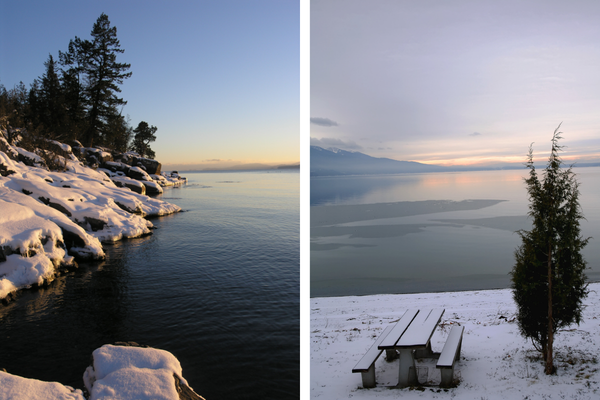
Lakeside winters bring ice, so plan ahead. Many owners remove floating docks, lift them high, or use systems designed for ice loading. Confirm who will handle seasonal removal and storage, and get timelines and costs in writing.
Home Winterization
Confirm insulation levels and heat reliability if the home will sit vacant. Winterize exterior water lines and irrigation, and protect domestic hot water systems. Secure and winterize docks, pump houses, and any outdoor plumbing.
Maintenance Planning
Budget for seasonal dock service, septic maintenance, and landscaping. If you will not be here year-round, consider a caretaker or service contracts for off-season checks and storm response
6. Environmental Considerations
Aquatic Invasive Species
Montana requires boat inspections and decontamination protocols to prevent the spread of aquatic invasive species. Learn current rules before you transport or launch any watercraft. Expect local enforcement and plan time for inspections during peak season.
Vegetation and Shoreline Habitat
Shoreline vegetation helps control erosion and supports habitat. Many regulations restrict removal near the shore. If stabilization is needed, ask about permitted methods and any mitigation requirements.
Water Quality Awareness
Flathead Lake is known for clear water, but nearshore conditions can vary with local inflows and development. If available, request HOA or community water quality records and ask the seller about seasonal clarity and algae.
7. Who to Contact During Due Diligence
- Flathead County Planning and Zoning for parcel mapping, setbacks, and floodplain
- Flathead County Environmental Health for septic records
- Montana Department of Natural Resources and Conservation for state lakebed leases and permits
- Montana Fish, Wildlife and Parks for boating rules and invasive species requirements
- Local marinas and dock contractors for design, installation, removal, and storage
- Licensed well, septic, and electrical contractors for inspections
- An insurance agent familiar with Montana waterfront risks and coverage
Next Steps
With a clear wish list and a thoughtful due-diligence plan, you can approach Lakeside showings on Flathead Lake with real confidence. Prioritize shoreline rights and access, confirm dock permits and feasibility, verify well/septic functionality, and assess winter readiness—because Montana lake life demands preparation that goes beyond the surface.
Bring your checklist to every viewing, request key documentation early, and position yourself to move decisively when the right property emerges.
If you’re seeking a streamlined, high-touch experience tailored to Flathead Lake’s unique waterfront and second-home landscape, partner with a local advisor who truly knows these shores. At Revel, we bring boutique guidance, remote-friendly service, hyper-local networks, and a genuine commitment to helping you write your next chapter here in Montana.
Ready to explore Flathead Lake properties or want a comprehensive checklist? Let’s talk. Reach out today.
